
Giiwedinong Newsletter – Niibin 2026
Welcome to summer with Giiwedinong!
We are proud of the work of our volunteer board, staff, and the many community members who help us share Anishinaabe history, culture, and treaty stories throughout the North Country. Over the past several months, we have spent time reflecting, building partnerships, developing exhibits, and expanding our educational efforts. As we look ahead, we are excited to welcome visitors, create opportunities for artists and vendors, and share new exhibits and programs with our communities.
Here are some of the projects and initiatives we have been working on.
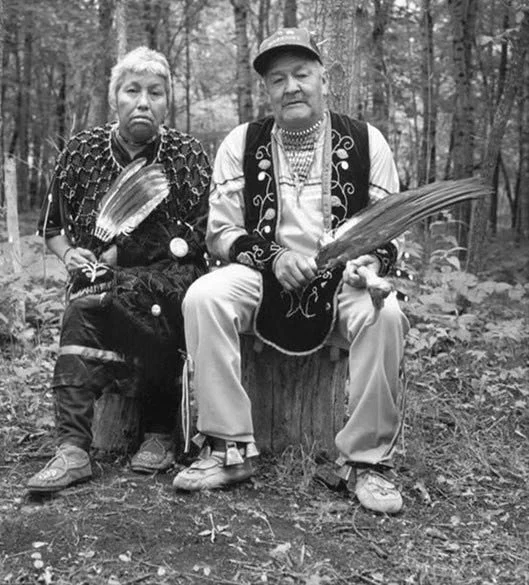
Museum in the Village: Pine Point History Project
This spring, Giiwedinong was honored to support the Pine Point History Project, a community-driven storytelling and history initiative in the village of Pine Point (Niizhingwaakokang) on the White Earth Reservation.
Directed by Pine Point elders in partnership with the Pine Point Community Council, the project seeks to document the history of the community through photographs, maps, oral histories, and personal stories. Community members have gathered for a series of meetings to share memories and preserve knowledge for future generations.
Our goal is to help tell the story of Pine Point and the people who built and sustained this community. An initial exhibit is planned for later this summer, with future plans to expand the project and bring portions of the exhibit to Giiwedinong and the Twin Cities area, where many tribal citizens and family members now reside.
Stay tuned for more updates as this important work continues.
(Photo: Margaret Norcross, and Joe Bush, photographed by John Ratzloff)
Park Rapids History Trail Project
Giiwedinong has been pleased to collaborate with the Park Rapids History Trail project in the development of interpretive exhibits and historical markers throughout the city.
A new historical marker on museum grounds helps tell the story of how Park Rapids came to be and highlights the political and historical forces that shaped the region. The marker recognizes that the land which became Park Rapids was acquired through the Treaty of 1855, negotiated between the United States and the Mississippi, Pillager, and Lake Winnibigoshish Bands of Ojibwe.
Park Rapids sits within the heart of the 1855 Treaty Territory, and we are honored to help share the stories of this land and its people for present and future generations.
For more information, visit the Park Rapids History Trail website.
New Exhibits
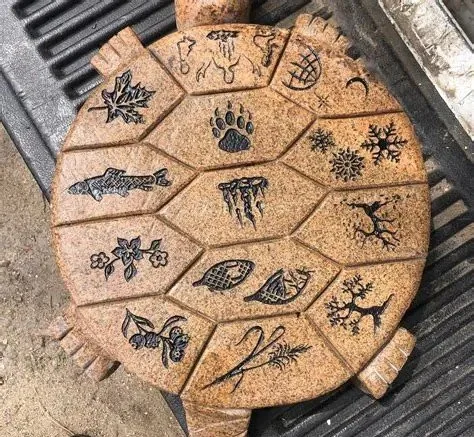
With support from the Park Rapids Area Arts Council, Giiwedinong is proud to feature a turtle sculpture by the late Simon Zornes of White Earth, a renowned Anishinaabe stone carver.
The sculpture shares teachings connected to the turtle's shell and the thirteen moons, reflecting Anishinaabe understandings of time, seasonal cycles, and our relationship with the natural world.
We are also expanding our exhibits with new historical maps, educational materials, and interpretive displays that help visitors better understand the history of this region and the treaty relationships that continue to shape our communities today.
Treaty History Presentations
Previously, Park Rapids Lifelong Learning hosted a presentation on treaty rights and tribal governments presented by Don Wedll, Chairman of the Giiwedinong Board of Directors.
Nearly 100 people attended the session, making it one of the organization's most well-attended events. Wedll shared an overview of Ojibwe treaty history, the political and economic context surrounding treaty negotiations, and the lasting significance of these agreements today.
The presentation generated thoughtful discussion, questions, and community dialogue. Don's experience includes direct involvement in the landmark Mille Lacs treaty rights case, which ultimately resulted in a United States Supreme Court affirmation of treaty rights.
About Those Chiefs: Sharing Historical Stories
One of Giiwedinong's goals is to share stories that are often overlooked and to help uncover important chapters of Anishinaabe history.
In this presentation, Wedll highlighted the story of Shagobay, an influential Anishinaabe leader who guided his people through a period of tremendous change and challenge.
Through stories like these, we hope to encourage a deeper understanding of the individuals who shaped the history of our communities.
For more information about Shagobay, visit Shagobay, a Great Chief of the Anishinaabe – St. Croix 360
Coming Soon
New Maps and Treaty Exhibits
This year, visitors will hopefully see a growing collection of historical maps throughout the museum. These maps help illustrate the waterways, travel routes, treaty territories, and homelands that have connected Anishinaabe communities for generations.
We are also collaborating with the Plains Art Museum in Fargo, North Dakota, on a treaty-focused exhibit exploring the Sweet Corn Treaty, the Treaty of 1855, the Treaty of 1863, and related histories. We are excited to begin sharing these stories with broader audiences.
Giiwedinong Fall Feast
Join us once again this October at the Park Rapids Armory Arts & Events Center for our annual Fall Feast!
This year's featured chef is Ethan Denny-Broker, Anishinaabe Chef de Cuisine at Indígena by Owamni in Minneapolis. Guests will once more enjoy an exceptional meal highlighting Indigenous foods while learning about new museum initiatives and exhibits.
We hope you will join us for what promises to be a memorable evening celebrating community, culture, and food. Stay tuned for more info!
Film Exhibitions
Giiwedinong Film Exhibitions
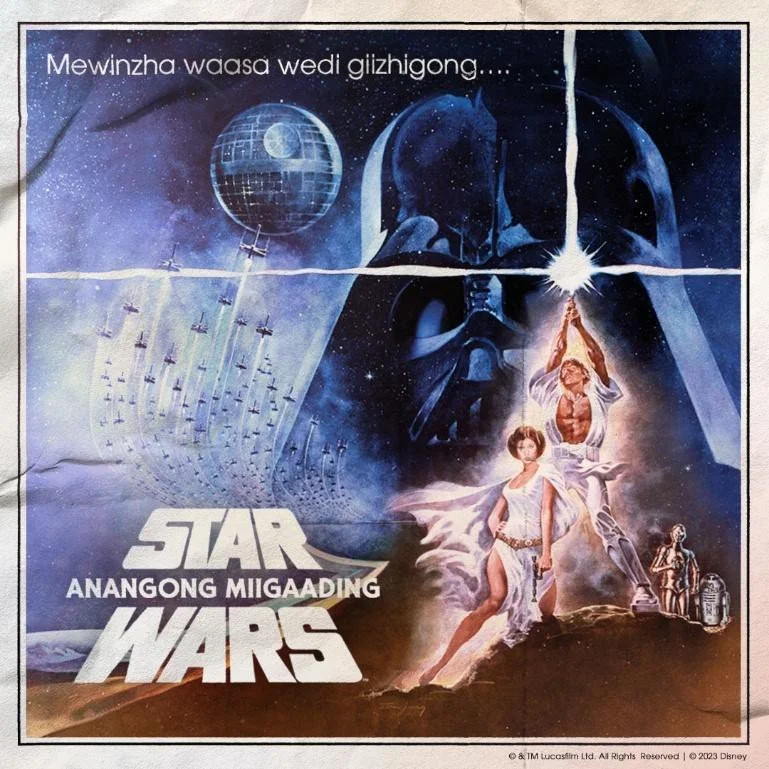
This fall, Giiwedinong will once more partner with local schools and venues to present Anangong Miigaading (Star Wars: A New Hope- Dub Ojibwe).
The Ojibwe-language version is one of only a handful of Indigenous-language adaptations of a major motion picture and represents an important effort to support language revitalization.
We are especially excited to welcome back Ajuawak Kapashesit, the voice of Han Solo in the Ojibwe version of the film. Raised on the White Earth Reservation, Kapashesit has appeared in Indian Horse, Outlander, Bad Blood, and numerous independent film projects.
Supporting Indigenous Storytelling
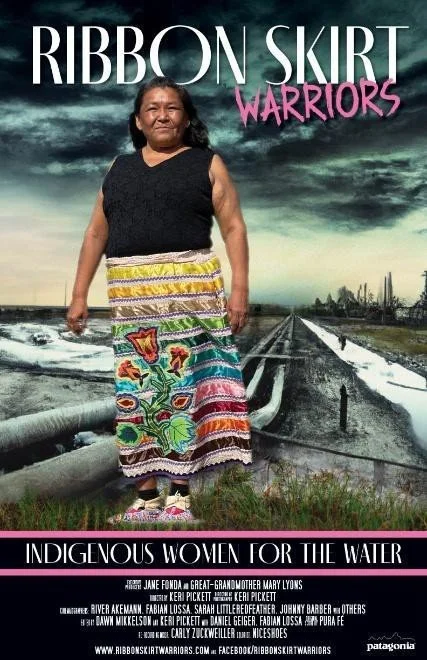
Giiwedinong is proud to serve as fiscal sponsor for Ribbon Skirt Warriors, a documentary film project telling the story of water protector women who stood in opposition to the infamous Line 3.
Directed by acclaimed filmmaker Keri Pickett, whose previous work includes Finding Her Beat and First Daughter and the Black Snake, the project is supported by Executive Producers Mary Lyons and Jane Fonda.
We are honored to support this important effort to document Indigenous leadership, environmental stewardship, and community resilience.
Continuing to Grow
Museums are always evolving. As visitors share their thoughts and experiences, we continue to find new ways to improve exhibits and tell stories more effectively.
Throughout the summer and fall, we will add new maps, displays, educational resources, and interpretive guides designed to support teachers, students, and lifelong learners in exploring the histories represented within the museum.
Miigwech
Giiwedinong is deeply grateful for the generous support of our donors, foundations, community partners, and volunteers.
We are especially thankful to our anonymous donors for providing support for both museum operations and the Pine Point History Project. We also extend our appreciation to the many individuals and organizations whose contributions help sustain our work.
We would like to offer special recognition to Nancy Masterson for donating historical materials that help strengthen our exhibits and collections. As we continue developing our collections management system, we welcome conversations with community members interested in preserving and sharing historical materials.
